
Choosing Lighting to Transform a Blank Venue
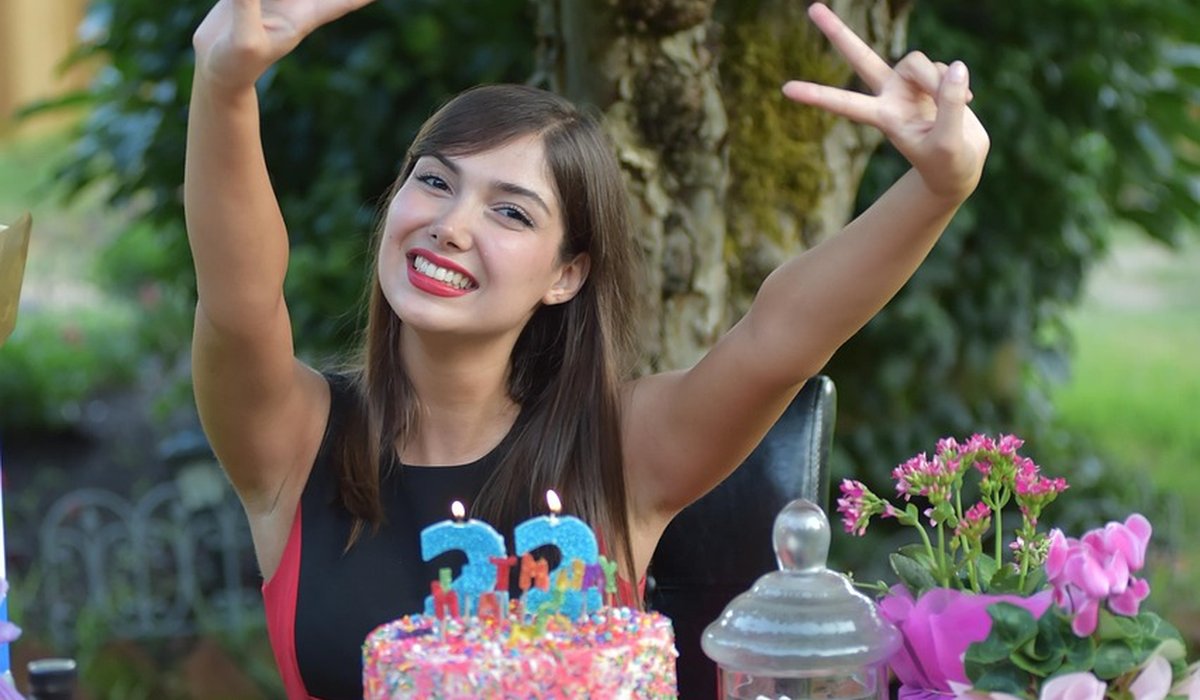
Why a Blank Room Is Really a Blank Canvas
A village hall, a converted warehouse, a marquee on a rugby pitch — most venues look their most uninspiring before anyone has touched them. Pale walls, a scuffed floor and a row of fluorescent tubes do very little for atmosphere. The good news is that lighting is the fastest, cheapest and most forgiving way to change that. It gives a room depth, it tells guests where to look, and it makes ordinary surfaces feel considered rather than merely available.
Think about what light is actually doing in a space. It creates pools of attention and pockets of rest. It softens the edges of a large room so it doesn't feel like a cavern. It flatters faces, food and flowers in equal measure. Get it right, and nobody will comment on it; they will simply say the place felt lovely.
Start With a Walk-Through, Not a Shopping List
Before hiring or buying anything, visit the venue at the same time of day as your event. If your celebration runs from 5pm, you need to know how the room behaves as the light fades, not how it looks at noon. Take note of a few practical things:
- Existing light sources: can the overheads be switched off or dimmed, or are they on a single unforgiving switch?
- Windows and skylights: how much daylight will still be spilling in when you want a candlelit mood?
- Socket positions: count them, photograph them, and check how many are on each circuit.
- Ceiling height and wall colour: pale walls reflect light beautifully; dark or heavily textured walls swallow it and may need more power.
- What you cannot change: fire exits, emergency lights and safety signage must stay lit and unobstructed.
A ten-minute walk-through with a notebook will save you an hour of panic on setup day.
Uplighters Do the Heavy Lifting
If you do only one thing, hire a set of LED uplighters and place them flat on the floor against the walls. Angled upwards, they wash the wall in colour and instantly give a plain room a sense of height and architecture it never had. Warm tones — around 2700K, or an amber or soft gold gel if you are using older fixtures — will make skin tones look healthy and photographs look kind. Cool white or blue-washed walls tend to feel clinical.
Placement matters more than quantity. Move a unit closer to the wall and the wash becomes tighter and more dramatic; pull it further out and the light spreads but fades. Aim for even spacing, and avoid pointing them at any surface that will be photographed directly, such as a top table backdrop. Two well-placed uplighters will beat six scattered carelessly around the room.
Layer In Lamps and Pools of Warmth
Uplighters alone can feel a bit theatrical. What makes a room feel inhabited is a second layer of lower, closer light. Table lamps, floor lamps, festoon strings and clusters of candles — real or LED — create islands of warmth that draw people towards them. Guests naturally gravitate to a pool of light, which is a useful way to guide the flow of a room without signage.
- Use warm bulbs throughout. Mixing colour temperatures is what makes a room look accidentally lit rather than designed.
- Group lamps in threes. Odd clusters on a side table or windowsill read as intentional; single lamps look forgotten.
- Shade with purpose. Fabric or paper shades diffuse beautifully, but keep them clear of bulbs — hire companies will thank you.
- Plan for batteries and timers if sockets are scarce, and bring spares of both.
Dimmers, Circuits and Electrical Realities
The single biggest upgrade to any venue lighting scheme is a dimmer. Being able to drop the level as the evening progresses — brighter for arrivals and food, softer for speeches, low and warm for dancing — changes the mood without moving a single fixture. If the venue's own circuits are not dimmable, ask about portable dimmer packs, or use hire fixtures with built-in dimming and a simple remote or desk.
Check the practical side properly. Know how many amps each socket ring can take, and never daisy-chain extension leads into one another. Tape cables down along walls and under mats so nobody trips. Ask whether the venue requires PAT-tested equipment and public liability cover from your supplier, and confirm whether there is a resident technician or a curfew on noise and power. It is far easier to answer these questions in advance than at 7pm with guests arriving.
Rehearse the Light, Then Trust It
Set up and test the full scheme before the day, ideally at the same hour your event begins. Photograph every look on your phone: arrival, meal, speeches, dancing. Label the dimmer settings or save them as scenes so somebody else can operate them if you are called away. On the night, stand in the doorway and look in. If your eye goes straight to a bright patch of wall or a glaring bulb, fix that one thing and leave the rest alone. Good lighting is not about lots of equipment; it is about a warm, deliberate glow that makes a blank room feel like somewhere people want to linger.

4 Comments